
Boosting Success with Youth Soccer Tips
When I first got involved with youth soccer, I quickly realized how much potential young players have when given the right guidance. It’s not just about kicking a ball around; it’s about building skills, confidence, and a love for the game. If you want to help young athletes thrive, focusing on effective training methods is key. Let’s dive into some practical ways to boost success with youth soccer tips that really work.
Essential Youth Soccer Tips for Skill Development
Developing strong fundamentals is the foundation of any great soccer player. I always encourage focusing on the basics first. Here are some youth soccer tips that can make a big difference:
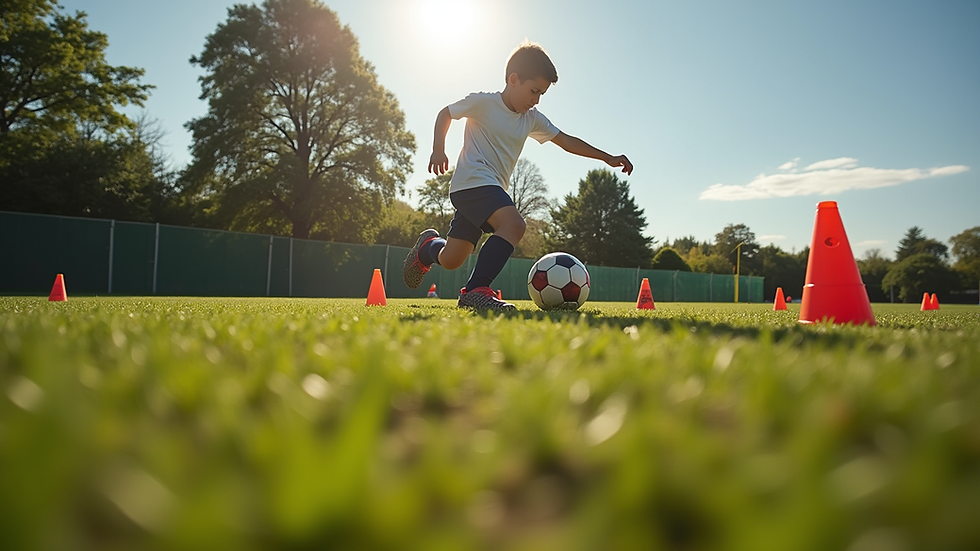
Master ball control: Encourage players to practice dribbling with both feet. Simple cone drills or zig-zag runs help improve touch and coordination.
Work on passing accuracy: Passing is the heart of teamwork. Short passes, long passes, and one-touch passing drills sharpen precision.
Improve shooting technique: Teach players to strike the ball with different parts of the foot for power and accuracy.
Build stamina and agility: Soccer demands endurance. Incorporate fun running drills and agility ladders to boost fitness.
Remember, repetition is key. Short, focused sessions work better than long, exhausting ones. Keep the energy high and the drills engaging. Kids learn best when they’re having fun!
What Age Is Best to Start Soccer Training?
You might wonder, when is the right time to start training? The answer is simple: as early as possible, but with age-appropriate activities. For toddlers and preschoolers, soccer should be about fun and basic movement skills. Think running, kicking, and playing simple games.
Around ages 5 to 7, players can begin more structured training. This is when they start learning rules, teamwork, and basic techniques. At this stage, short sessions with lots of encouragement work best.
By ages 8 to 12, kids can handle more focused drills and tactical understanding. This is a great time to introduce small-sided games that emphasize decision-making and positioning.
Starting early helps build a strong foundation, but it’s never too late to begin. The key is to keep training positive and tailored to the child’s development level.
Building Confidence Through Positive Coaching
One of the most important youth soccer tips I’ve learned is that confidence fuels success. Young players thrive when they feel supported and encouraged. Here’s how to build that confidence:
Celebrate small wins: Praise effort, not just results. A great pass or a smart move deserves recognition.
Create a safe learning environment: Mistakes are part of learning. Encourage players to try new skills without fear of criticism.
Set achievable goals: Help players set personal goals like improving their weaker foot or increasing stamina.
Use positive language: Replace “don’t do that” with “try this instead.” It keeps motivation high.
When players believe in themselves, they play with more freedom and creativity. That’s when real growth happens.

Incorporating Mental Training for Young Athletes
Soccer is as much a mental game as it is physical. Teaching young players how to focus, stay calm, and handle pressure can boost their performance dramatically. Here are some simple mental training tips:
Visualization: Encourage players to imagine successful plays before games or practice.
Breathing exercises: Teach deep breathing to manage nerves and stay relaxed.
Positive self-talk: Help players replace negative thoughts with encouraging phrases.
Focus drills: Use games that require concentration, like “Simon Says” or quick decision-making exercises.
Mental skills often get overlooked, but they are crucial for long-term success. Developing these habits early sets players up for confidence on and off the field.
Creating a Balanced Training Schedule
It’s tempting to push young players hard, but balance is essential. Overtraining can lead to burnout or injury. Here’s how to create a balanced schedule:
Limit training sessions: Two to three quality sessions per week are enough for most young players.
Include rest days: Recovery is when muscles grow stronger.
Mix skill work with fun: Combine drills with small games or scrimmages.
Encourage cross-training: Activities like swimming or biking improve overall fitness and prevent boredom.
A well-rounded schedule keeps players excited and healthy. It also helps them develop a lifelong love for the game.
Why Professional Coaching Makes a Difference
I’ve seen firsthand how professional coaching can transform a young player’s journey. Coaches bring expertise, structure, and motivation that parents or casual trainers might not provide. Here’s why professional coaching matters:
Personalized feedback: Coaches identify strengths and areas for improvement.
Advanced techniques: They teach skills that match the player’s level and goals.
Goal setting: Coaches help players set realistic milestones.
Teamwork and discipline: They foster respect, communication, and sportsmanship.
If you want to maximize your child’s potential, investing in quality coaching is a smart move. It’s about more than just winning games - it’s about building character and skills that last a lifetime.
Taking the Next Step with Youth Soccer Training
If you’re ready to take your skills to the next level, consider joining a program focused on individual development. I recommend exploring youth soccer training programs that emphasize personal growth alongside technical skills.
These programs offer:
Tailored coaching plans
Small group or one-on-one sessions
Focus on both physical and mental development
Opportunities to compete and showcase skills
With the right support, young players can unlock their full potential and enjoy every moment on the field.
Youth soccer is more than just a sport - it’s a journey of growth, teamwork, and fun. By focusing on skill development, confidence, mental training, and balanced schedules, young athletes can thrive. Remember, every great player started with a simple kick and a dream. Why not help that dream grow today?



Comments