
Master Youth Soccer Techniques with Expert Youth Soccer Skill Training
Soccer is more than just a game. It’s a journey of growth, skill, and passion. If you want to see young players thrive on the field, mastering the right techniques early on is key. I’ve seen firsthand how expert youth soccer skill training can transform a player’s confidence and ability. Let’s dive into how you can help young athletes sharpen their skills and enjoy every moment of the game.
Why Youth Soccer Skill Training Matters
You might wonder, why focus so much on skill training at a young age? The answer is simple: skills build the foundation for success. When kids learn proper techniques early, they develop muscle memory that lasts a lifetime. This makes playing more natural and enjoyable.
For example, teaching a child how to dribble correctly helps them keep control of the ball even under pressure. Passing drills improve teamwork and game awareness. Shooting practice boosts accuracy and power. Each skill adds a new layer to their game.
Expert training also helps prevent bad habits. Without guidance, young players might develop inefficient movements that are hard to correct later. A professional coach can spot these early and provide tailored advice.
Here’s what expert youth soccer skill training typically includes:
Ball control and dribbling exercises
Passing and receiving techniques
Shooting and finishing drills
Defensive positioning and tackling
Agility and speed training
By focusing on these areas, players become well-rounded and ready for any challenge on the field.

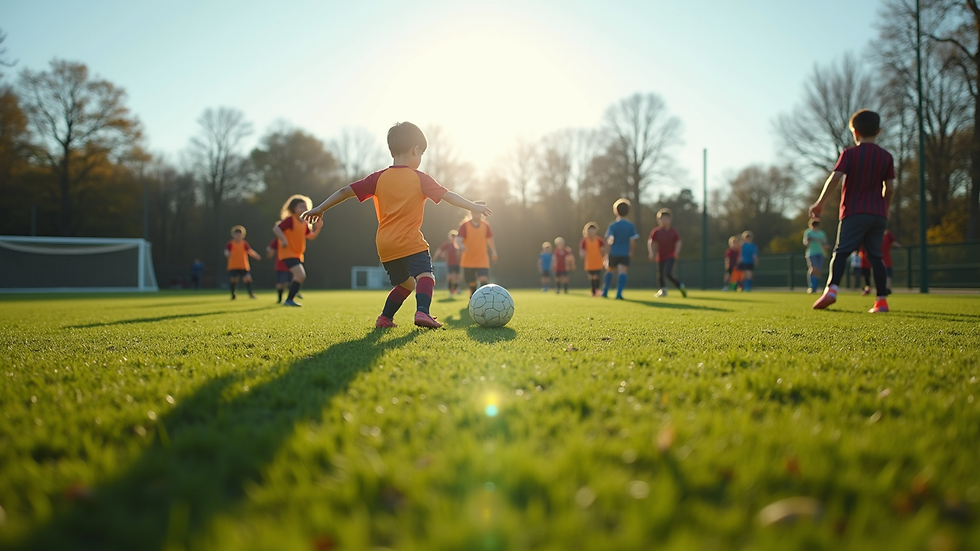
Focused training builds strong fundamentals.
How to Choose the Right Youth Soccer Skill Training Program
Not all training programs are created equal. Choosing the right one can make a huge difference in a young player’s development. Here are some tips to help you find the best fit:
Look for certified coaches - Coaches with proper certifications have the knowledge to teach techniques correctly and safely.
Check the training environment - A positive, encouraging atmosphere helps kids stay motivated and enjoy learning.
Consider individual attention - Smaller groups or one-on-one sessions allow coaches to tailor drills to each player’s needs.
Focus on personal growth - The best programs emphasize character building, teamwork, and sportsmanship alongside skills.
Ask about progression plans - A clear path for skill advancement keeps players challenged and engaged.
At Manchester School of Soccer, for example, the focus is on developing each player’s unique potential. Coaches work closely with athletes to improve both their game and their confidence.
What Age Is Best to Start Soccer Training?
You might be asking, “When should kids start training seriously?” The truth is, there’s no one-size-fits-all answer. But generally, starting between ages 4 and 7 is ideal for basic skill development.
At this age, children are developing coordination and motor skills. Introducing soccer through fun drills and games helps them build a love for the sport without pressure. It’s important to keep sessions light and enjoyable.
As players grow older, training can become more structured and focused on technique. By ages 8 to 12, kids can handle more complex drills and tactical lessons. This is a great time to introduce competitive play and position-specific training.
Remember, the goal is to nurture a lifelong passion for soccer. Early training should be about exploration and confidence-building, not just winning games.

Starting young helps build confidence and coordination.
Practical Tips to Master Youth Soccer Techniques at Home
Training doesn’t have to stop when practice ends. There are plenty of ways young players can improve their skills at home or in the backyard. Here are some simple, effective drills you can encourage:
Dribbling through cones: Set up cones or markers and have the player weave through them using both feet. This improves ball control and agility.
Wall passes: Passing the ball against a wall and controlling the rebound sharpens passing accuracy and first touch.
Shooting practice: Use a target or goal to practice shooting with both feet. Focus on technique and aim rather than power.
Juggling: Juggling the ball with feet, thighs, and head helps develop touch and coordination.
Fitness drills: Simple sprints, ladder drills, and balance exercises build speed and agility.
Consistency is key. Even 15 minutes a day can lead to noticeable improvements over time. Plus, practicing at home builds independence and self-discipline.
How Expert Coaching Elevates Youth Soccer Training
There’s something special about learning from a professional coach. They bring experience, knowledge, and motivation that can’t be matched by casual practice. Here’s how expert coaching makes a difference:
Personalized feedback: Coaches analyze each player’s strengths and weaknesses, offering specific tips to improve.
Structured training plans: Sessions are designed to build skills progressively, avoiding overload or boredom.
Mental toughness: Coaches teach players how to stay focused, handle pressure, and bounce back from mistakes.
Team dynamics: Learning how to communicate and cooperate with teammates is a vital part of expert training.
Goal setting: Coaches help players set realistic goals and celebrate milestones, keeping motivation high.
If you want to see real growth, investing in professional youth soccer training is a smart move. It’s not just about skills - it’s about shaping confident, resilient athletes.
Taking the Next Step in Youth Soccer Development
Ready to take your soccer skills to the next level? Whether you’re just starting out or looking to refine your game, expert training can unlock your full potential. Remember, the journey is just as important as the destination.
If you want to explore quality youth soccer training options, look for programs that focus on individual growth and professional coaching. The right environment will inspire you to work hard, have fun, and become the best player you can be.
Keep practicing, stay positive, and enjoy every kick of the ball. Your soccer journey is just beginning!

Consistent training leads to lasting improvement.


Comments